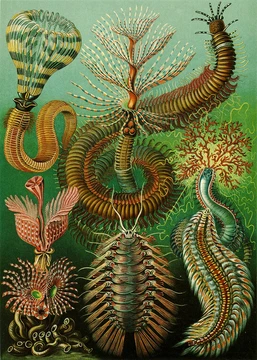
Acariformes
The most diverse superorder of mites, with ancient origins and global ecological impact.

P.D. Amara · CC0
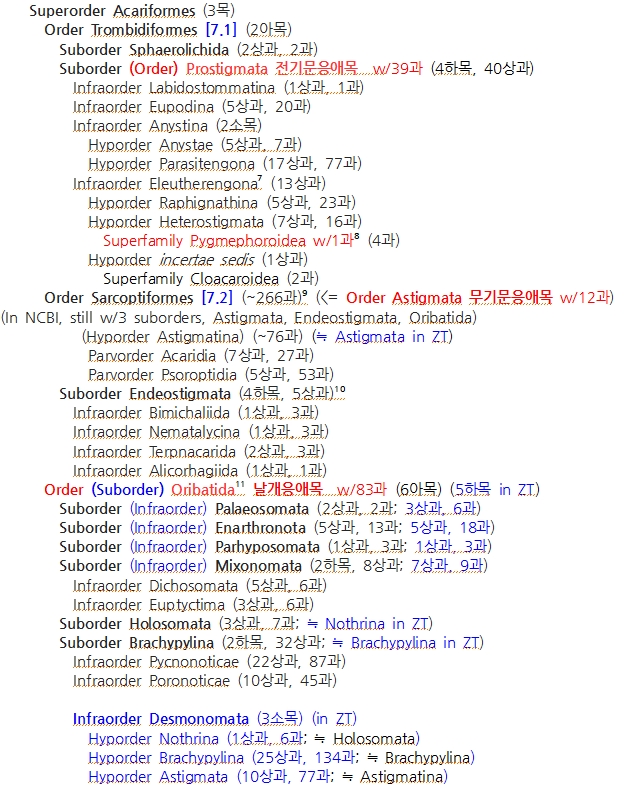
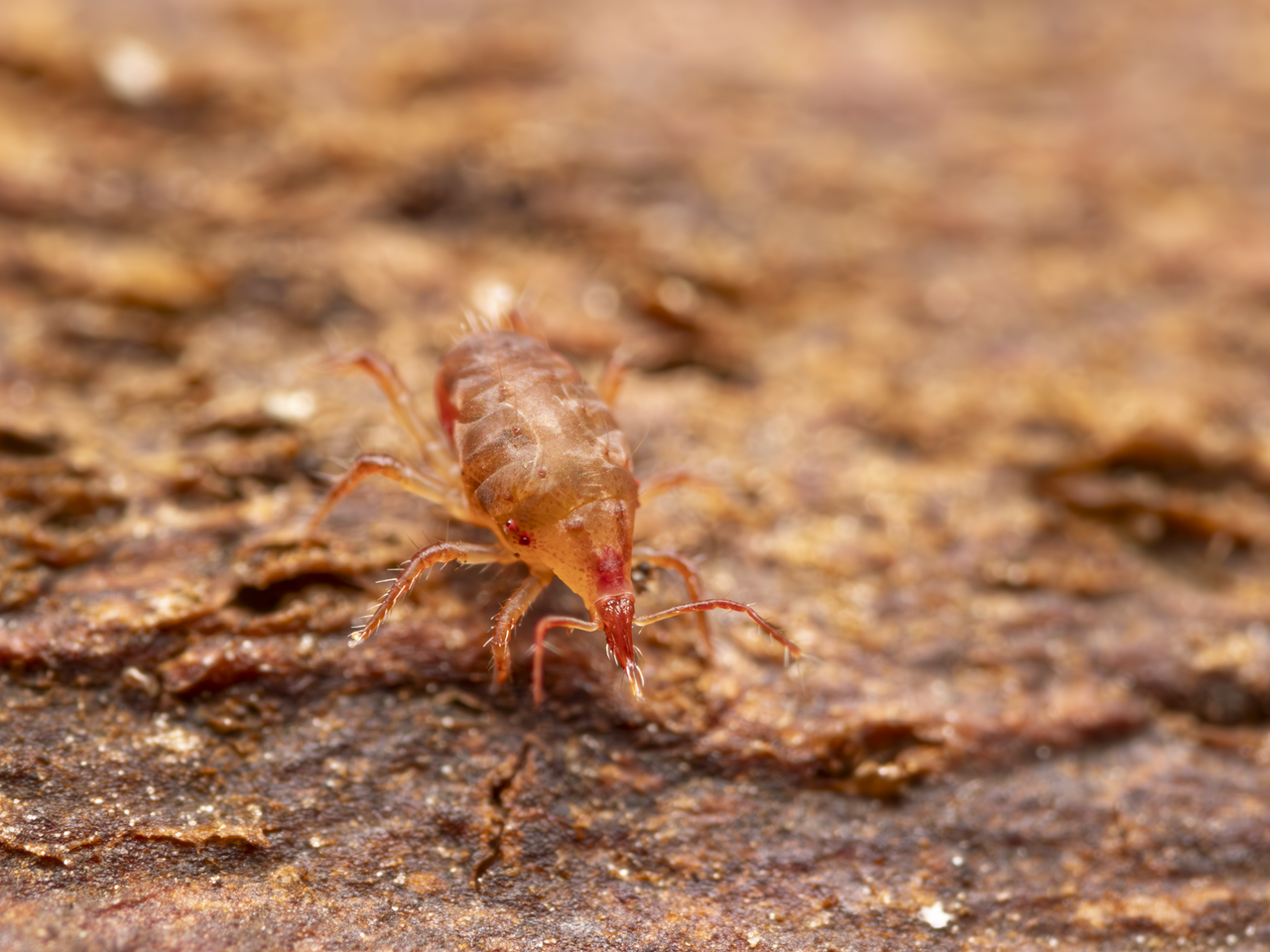
The Acariformes, also known as the Actinotrichida, are the more diverse of the two superorders of mites, alongside Parasitiformes.
- field
- Arachnology, Acarology
- known_for
- Most diverse superorder of mites; includes plant pests, parasites, and decomposers
Lore & Background
Sarcoptiformes ingest solid food and include microherbivores, fungivores, and detritivores. Some Astigmatina (Psoroptidia) associate with vertebrates and nest-building insects, including house dust mites, scab mites, and mange mites. Trombidiformes include major plant pests such as spider mites and Eriophyidae, as well as predators and animal parasites. Oribatid mites are a source of alkaloids in poison frogs; frogs raised without them do not develop strong poisons.
Reader's Guide
The Acariformes represent a vast and ecologically critical group of arthropods, with roles as decomposers, plant pests, parasites, and prey. The economic impact of trombidiforman plant pests, such as spider mites and Eriophyidae, is significant in agriculture. The unresolved systematics of groups like Prostigmata highlight ongoing challenges in mite taxonomy. The discovery of the large Cretaceous fossil Immensmaris chewbaccei provides insight into the past diversity of these mites. The association of oribatid mites with poison frog alkaloids illustrates a unique ecological link. Overall, the Acariformes are a key component of biodiversity, with ancient origins and continuing relevance to human activities and natural systems.
Did You Know?
- The Cretaceous fossil Immensmaris chewbaccei had an idiosoma over 8 mm, making it the largest fossil acariform mite and the largest erythraeoid mite ever recorded.
- Oribatid mites are a source of alkaloids in poison frogs; frogs raised without them do not develop strong poisons.
Gallery
Frequently Asked Questions
Who is Acariformes?
Acariformes (also called Actinotrichida) is the larger and more species-rich of the two mite superorders, sitting alongside Parasitiformes in the order Acari. It is the group arachnologists and acarologists turn to when cataloguing the vast majority of known mite diversity.
What are Acariformes's powers or ecological role?
Members of this superorder serve as plant pests, parasites, and decomposers across virtually every terrestrial and freshwater habitat on Earth. Their collective impact on soil health, plant biology, and nutrient cycling makes them a cornerstone of global ecology.
Why is Acariformes important to the field?
Because it dwarfs Parasitiformes in both described and estimated species counts, it dominates acarological research and drives most advances in mite taxonomy, ecology, and pest management. Understanding Acariformes is essentially understanding the bulk of mite biology.
More in Marine Invertebrates 1-24
Elsewhere in the Marine Invertebrates universe
Spotted an error? Know more?
This is a living reference — every entry is fact-audited, and reader corrections feed straight into our audit queue. Suggest an edit · See this site's audit record