Squat lobster
Dorsoventrally flattened crustaceans with long curled tails.

OpenCage · CC BY-SA 2.5
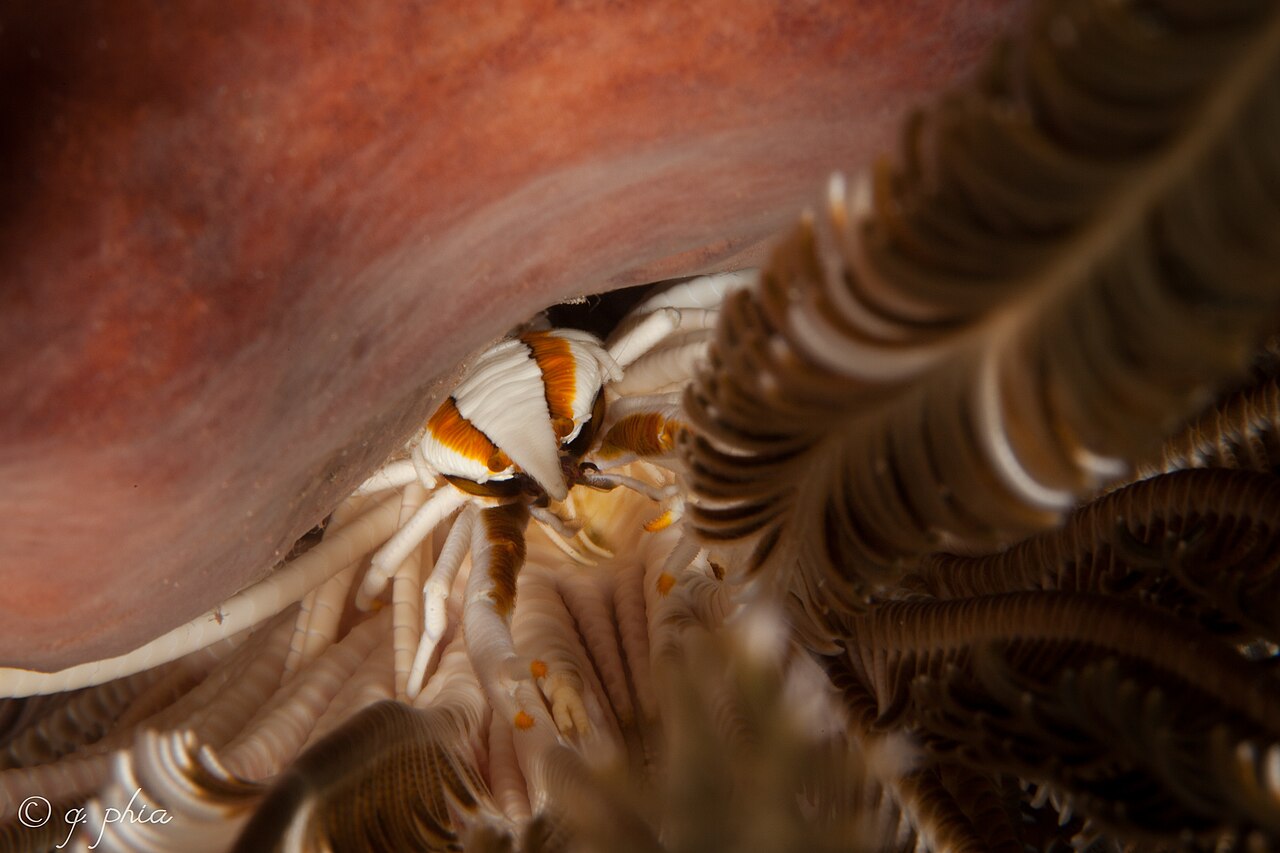
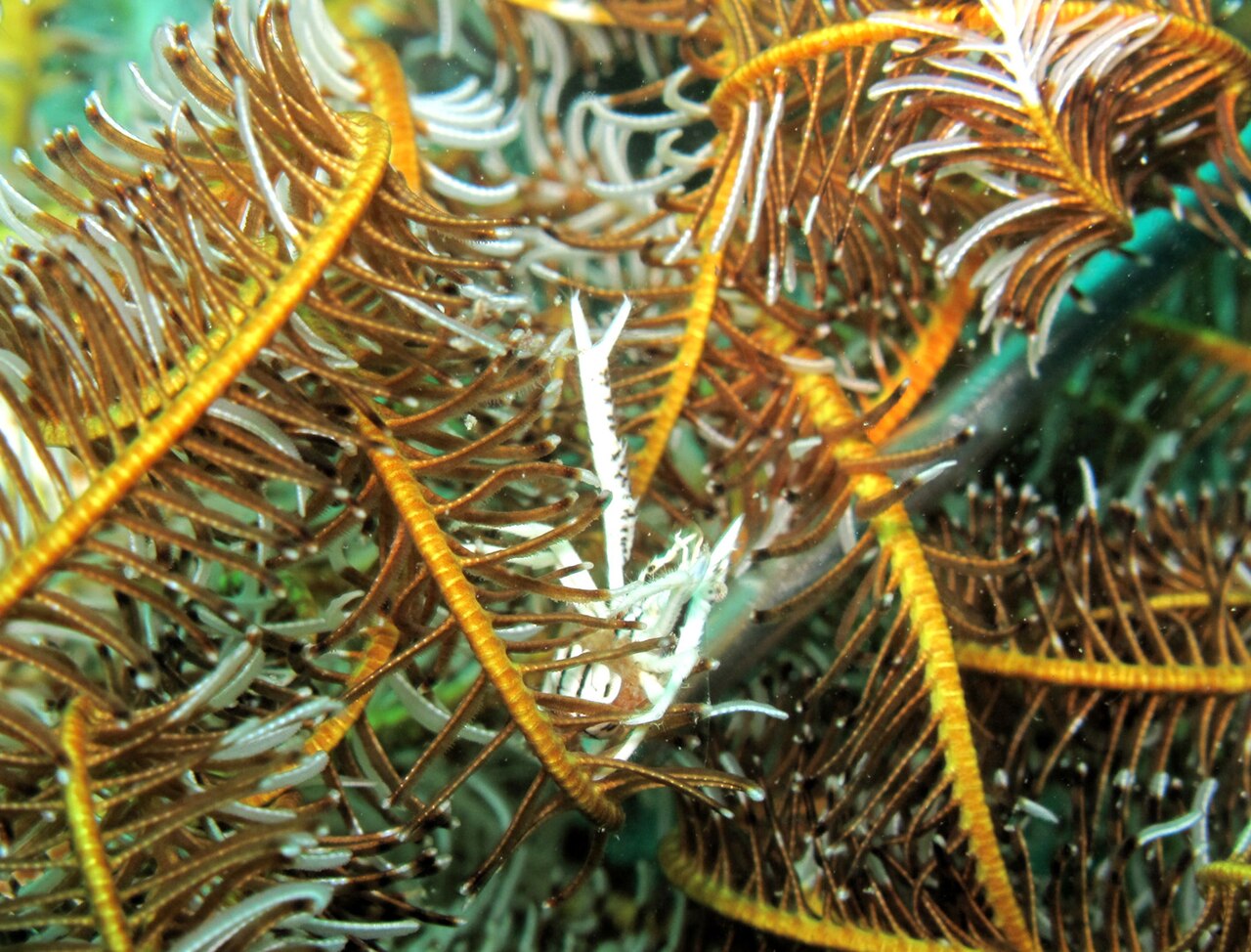
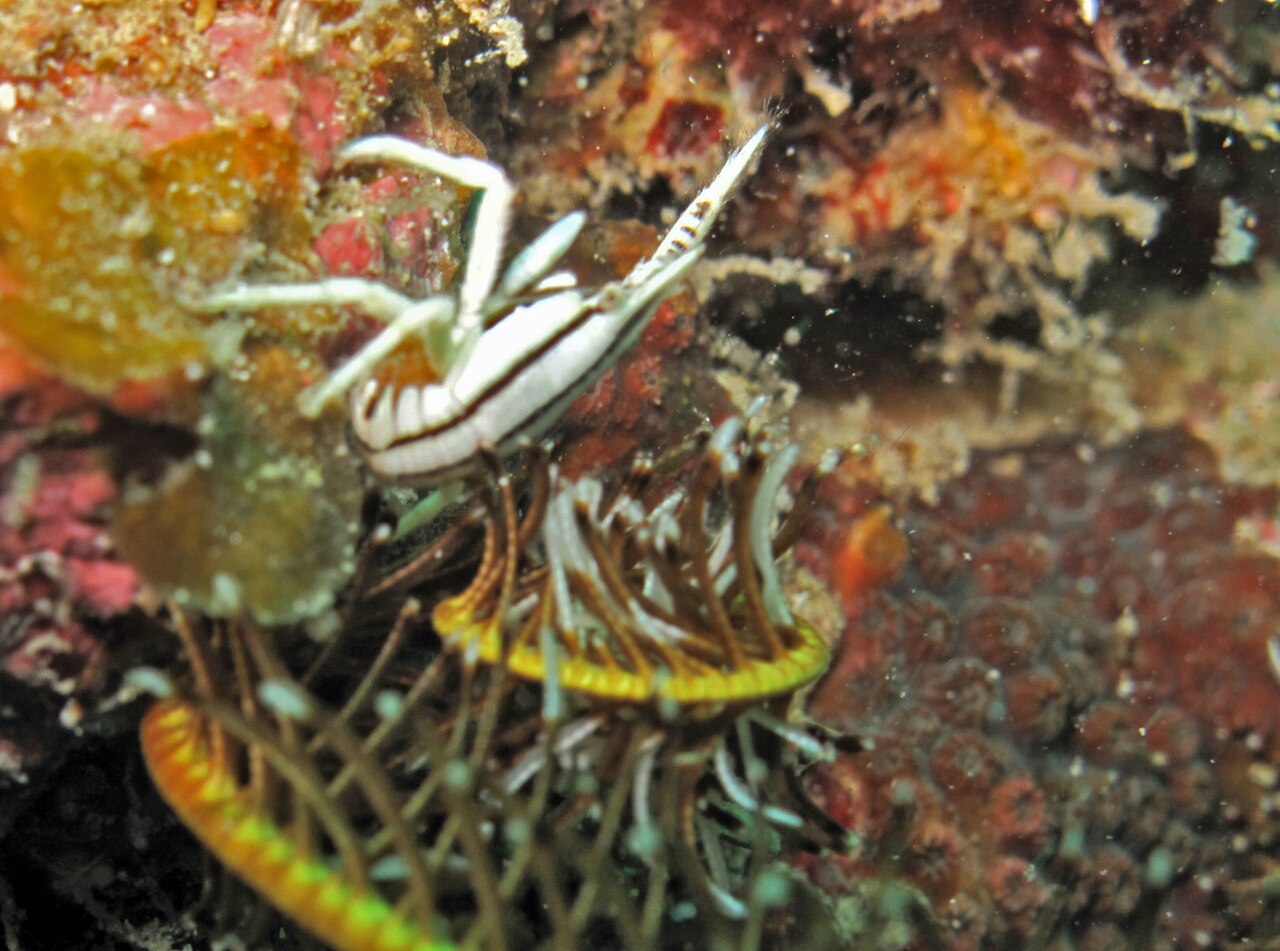
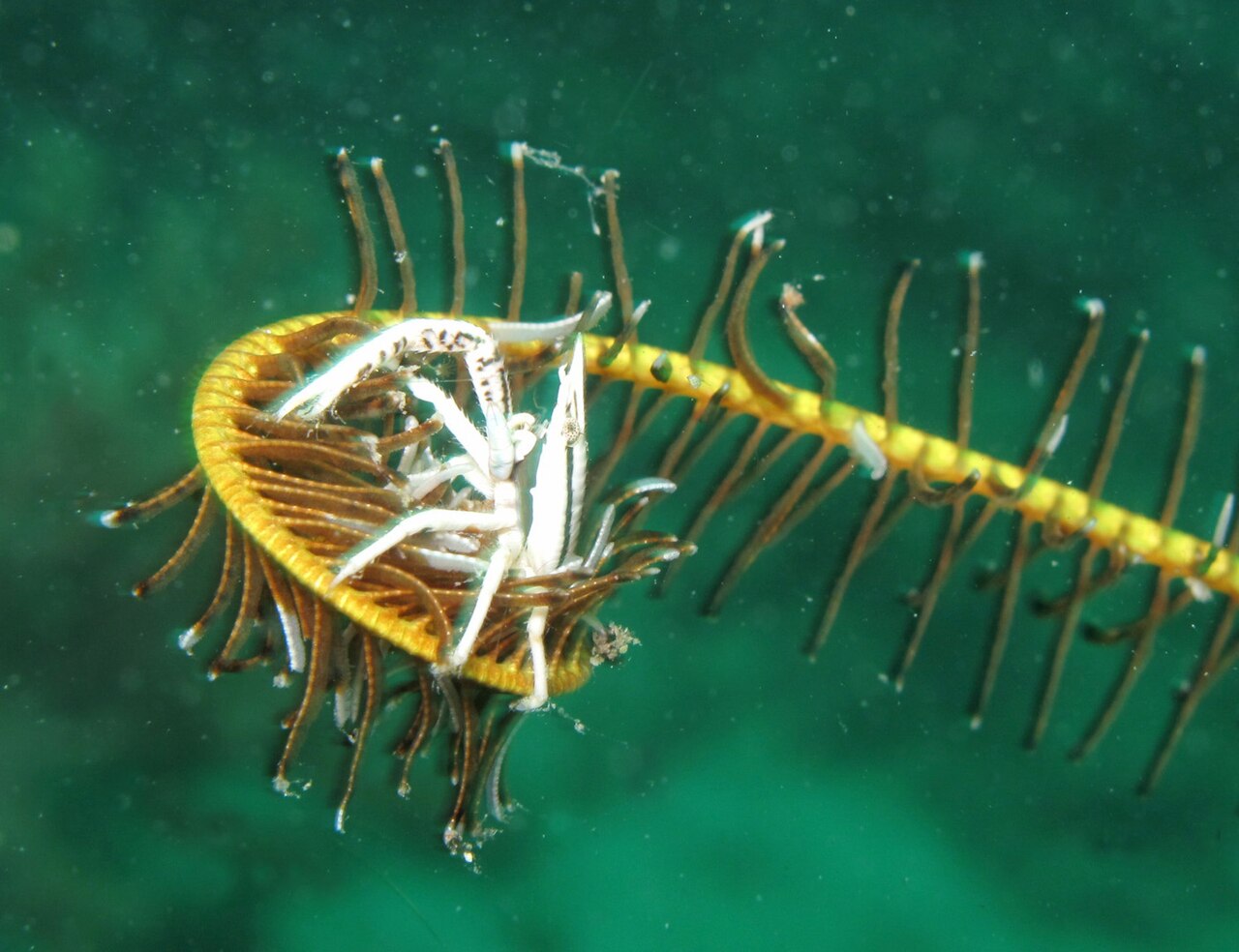
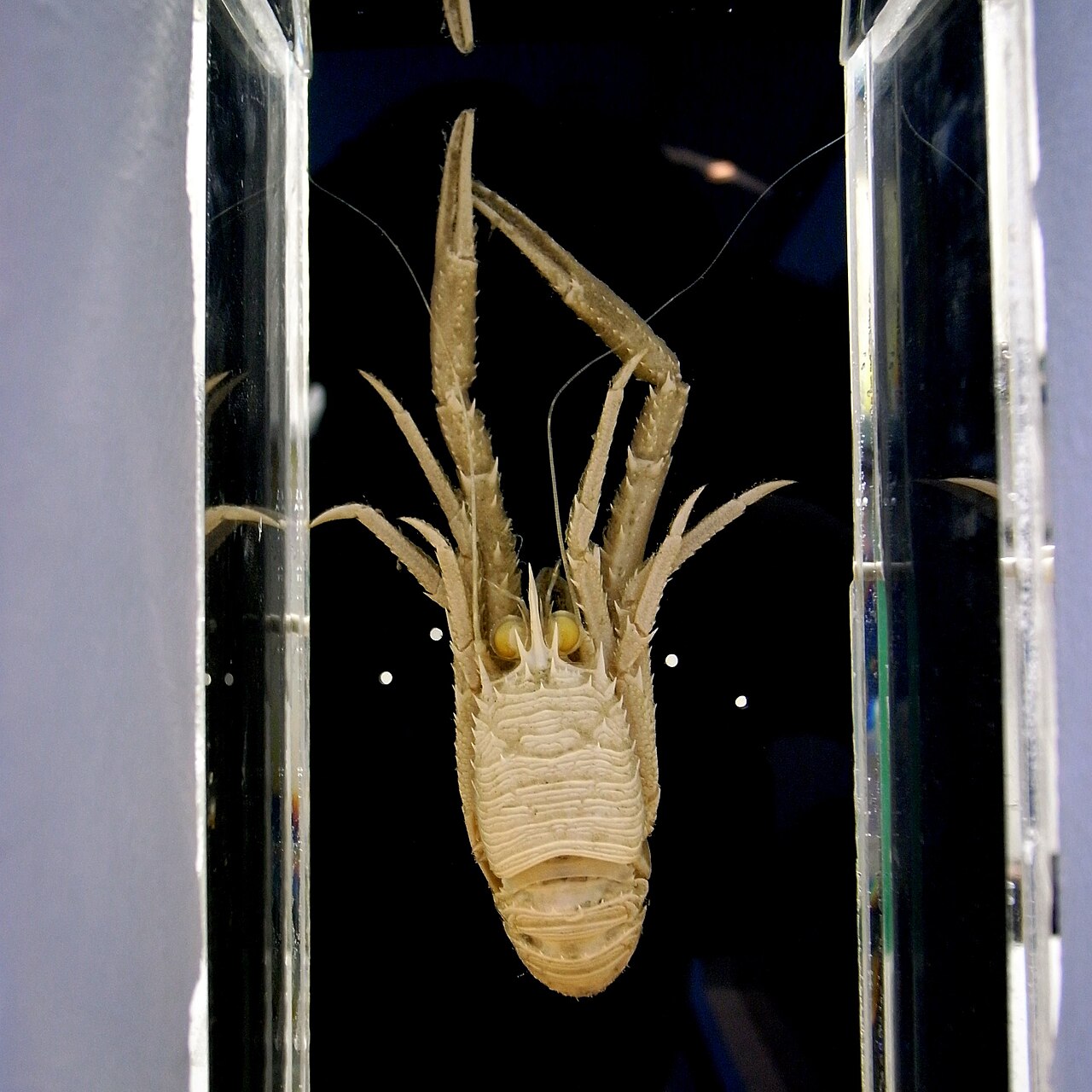
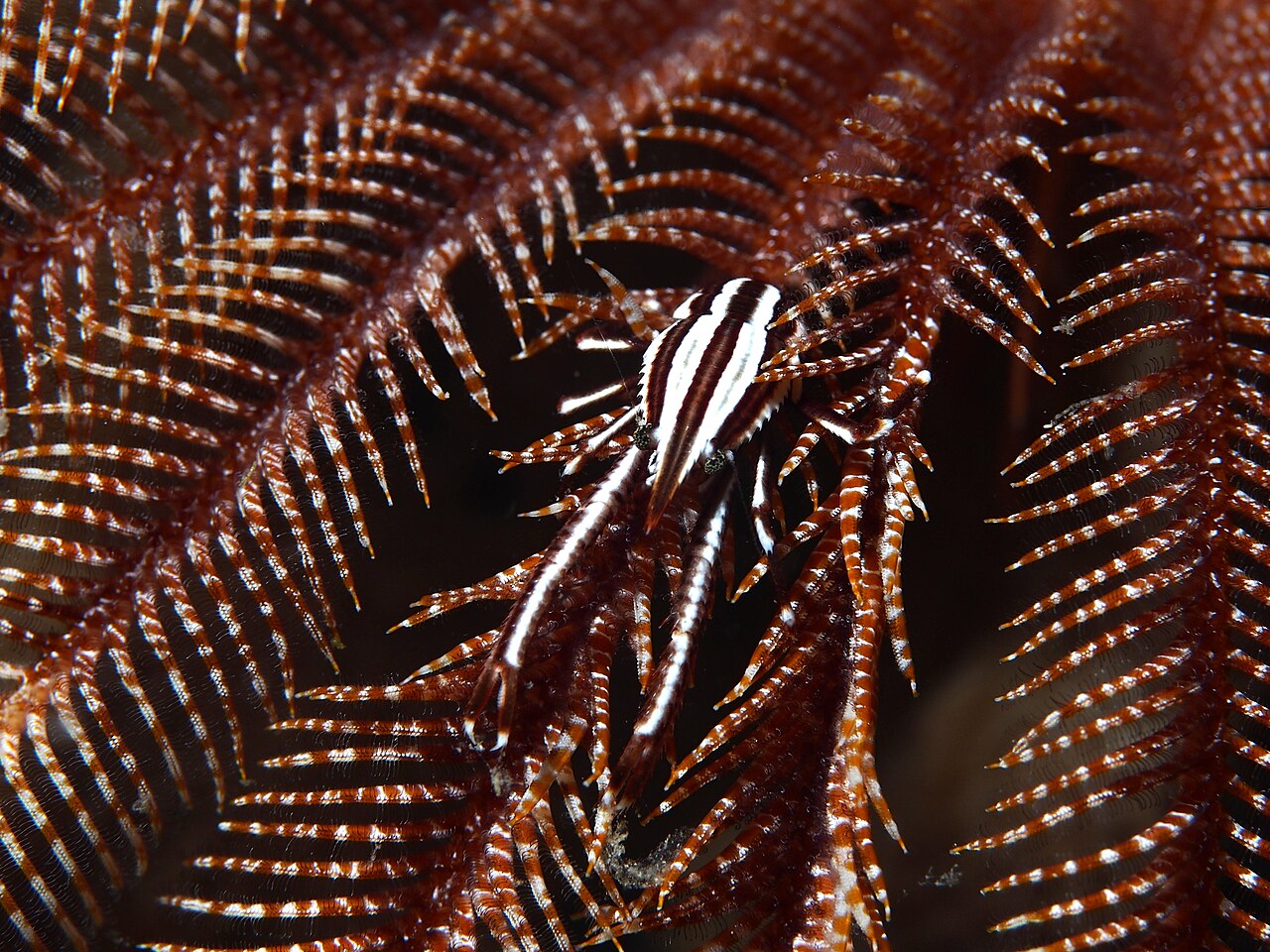
Squat lobsters are dorsoventrally flattened crustaceans with long tails held curled beneath the cephalothorax. They belong to the decapod infraorder Anomura, alongside hermit crabs and mole crabs, and are found worldwide in oceans from near the surface to deep-sea hydrothermal vents.
- size_range
- From a few millimeters (e.g., Galathea intermedia) to over 90 mm total length (e.g., Munidopsis aries), with postorbital carapace length typically around 50–60 mm in larger species
Lore & Background
Squat lobsters are found in two superfamilies, Galatheoidea and Chirostyloidea, and share most morphological features. Their cephalothorax is covered by a thick carapace, often with a rostrum, and they have five pairs of pereiopods, the first ending in chelae (claws). The pleon is usually curled under the thorax, with six somites and a telson. They vary in total length from over 90 mm in Munidopsis aries to a few millimeters in Galathea intermedia and some Uroptychus species. Development varies greatly among species, with some having multiple embryonic stages and others developing more directly; egg sizes and incubation periods differ accordingly. Fecundity increases with smaller eggs and larger body size, and the trend of more, smaller eggs is mostly found at lower latitudes and warmer temperatures, while cooler temperatures (typical of higher latitudes) are associated with fewer, larger eggs. Some species form dense aggregations on the sea floor or in the water column, and a small number are commercially fished. Squat lobsters exhibit diverse behaviors, including benthic aggregation around hydrothermal vents, cold seeps, whale falls, and shipwrecks, likely due to food availability and shelter. Species like Pleuroncodes planipes perform ontogenetic vertical migrations, forming large swarms up to 200 m vertically and 10 km horizontally.
Reader's Guide
Squat lobsters are significant as a diverse and widespread group within the decapod infraorder Anomura, bridging morphological features between true lobsters and crabs. Their dorsoventrally flattened body and curled pleon represent a key intermediate form in the process of carcinisation, which also influences internal anatomy, such as the ventral vessel system and loss of the caridoid escape reaction. Their ability to form dense aggregations, both benthic and pelagic, makes them ecologically important in nutrient-rich areas like vents, seeps, and food falls. The commercial fishing of a small number of species highlights their economic relevance.
Did You Know?
- Squat lobsters are found in two superfamilies: Galatheoidea and Chirostyloidea.
- Some squat lobsters form dense aggregations in the water column up to 200 m vertically and 10 km horizontally.
- The first pair of pereiopods (chelipeds) can be more than six times the body length.
Taxonomic Identity & the 'Lobster' Distinction
Within the vast tree of marine crustaceans, clawed lobsters occupy a specific branch defined by the family Nephropidae (also called Homaridae). What sets them apart from the many other creatures colloquially labeled "lobster" is a matter of both biology and language. Spinys, slipper lobsters, and squat lobsters all carry the name in common usage, yet none are close relatives of the true clawed form. The nearest living kin to Nephropidae are actually the reef lobsters and three families of freshwater crayfish, a connection that underscores how much evolutionary distance separates the familiar seafood from its namesakes. In regulatory and culinary terms, the unqualified word "lobster" carries different weights depending on geography. In the United States, only the two Homarus species—the European and American lobster—hold that title officially. Across North American kitchens, the term defaults to the American lobster; in British contexts, it points to the European species. Elsewhere, such as the Caribbean, the spiny lobster Panulirus argus is informally simply "lobster," while in most other English-speaking regions the bare word is rarely applied at all. This patchwork of naming conventions makes precise identification essential for both scientists and chefs.
Anatomy & Sensory World
Beneath the hard chitinous shell, a clawed lobster's body is divided into two major regions: the cephalothorax, which fuses head and thorax under a single carapace, and the abdomen, which houses the swimmerets and the tail fan. Eight walking legs extend from the thorax, the front three pairs tipped with claws, the first pair being notably larger. Because the pincers are biologically classified as legs, these animals sit squarely in the order Decapoda. Living in dim, murky benthic environments, lobsters rely heavily on their antennae as primary sensory organs rather than vision. Their compound eyes, typically mounted on stalks, employ a reflective structure above a convex retina—a design that contrasts sharply with the refractive lenses and concave retinas found in most complex eyes. Their circulatory system runs on hemocyanin, a copper-based molecule that gives the blood a blue hue, while a green organ called the hepatopancreas (known in kitchens as tomalley) serves dual liver and pancreatic functions. Neural gene analysis has further revealed an extraordinarily diversified chemosensory apparatus, including a wide array of ligand-gated ion channels and secretory molecules, hinting at a rich chemical perception of their surroundings.
Longevity & the Moulting Paradox
One of the most striking biological features of clawed lobsters is their remarkable lifespan, estimated at forty-five to fifty years in the wild. Age determination remains challenging, typically inferred from size and other variables, though newer techniques promise greater precision. Research indicates that these animals may not experience the usual decline in strength or fertility with advancing age; in fact, older individuals may prove more fertile than younger ones. A key factor appears to be telomerase, an enzyme that maintains the protective caps at chromosome ends. While most vertebrates silence telomerase after embryonic development, lobsters continue expressing it across most tissues well into adulthood, a trait strongly linked to their extended lives. Yet longevity carries a cost. Lobsters grow throughout life, adding new muscle cells at each moult, but the metabolic demand of shedding increases with size. Between ten and fifteen percent die of exhaustion during the process. In the very oldest individuals, moulting eventually stops altogether, the exoskeleton deteriorates or collapses, and death follows. The largest specimen ever recorded, logged by Guinness World Records, weighed 20.15 kilograms and was caught off Nova Scotia, Canada.
Habitat, Diet & Ecological Role
Clawed lobsters inhabit every ocean on Earth, ranging from rocky, sandy, or muddy substrates right up to the shoreline and extending well beyond the continental shelf. Their distribution within that range shifts with age and size: younger, smaller individuals tend to tuck into crevices or burrow beneath rocks and show little migratory behavior, while larger, older lobsters favor deeper waters and may return to shallower areas on a seasonal cycle. As omnivores, they consume a broad menu of live prey—fish, mollusks, fellow crustaceans, worms, and various plant material—and will scavenge when opportunities arise. In captivity, cannibalism has been observed, though finding lobster skin in wild stomachs does not necessarily confirm such behavior. Beyond their ecological niche, these crustaceans hold enormous economic significance. Commercially important species include the two northern Atlantic Homarus species, the smaller Nephrops norvegicus (true scampi, Norway lobster, or langoustine), and several small Metanephrops species known as Pacific scampi. In the coastal regions they populate, lobsters frequently rank among the most profitable seafood commodities, anchoring local fishing economies.
Gallery
More in Marine Invertebrates 25-30
Elsewhere in the Marine Invertebrates universe
Spotted an error? Know more?
This is a living reference — every entry is fact-audited, and reader corrections feed straight into our audit queue. Suggest an edit · See this site's audit record