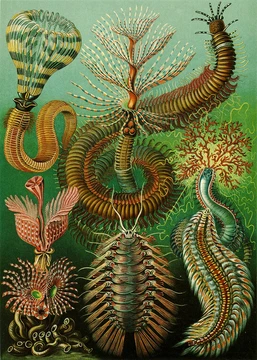
Whelk
Carnivorous sea snails with tapered shells, eaten and used for dye.

DKDEVS · CC0
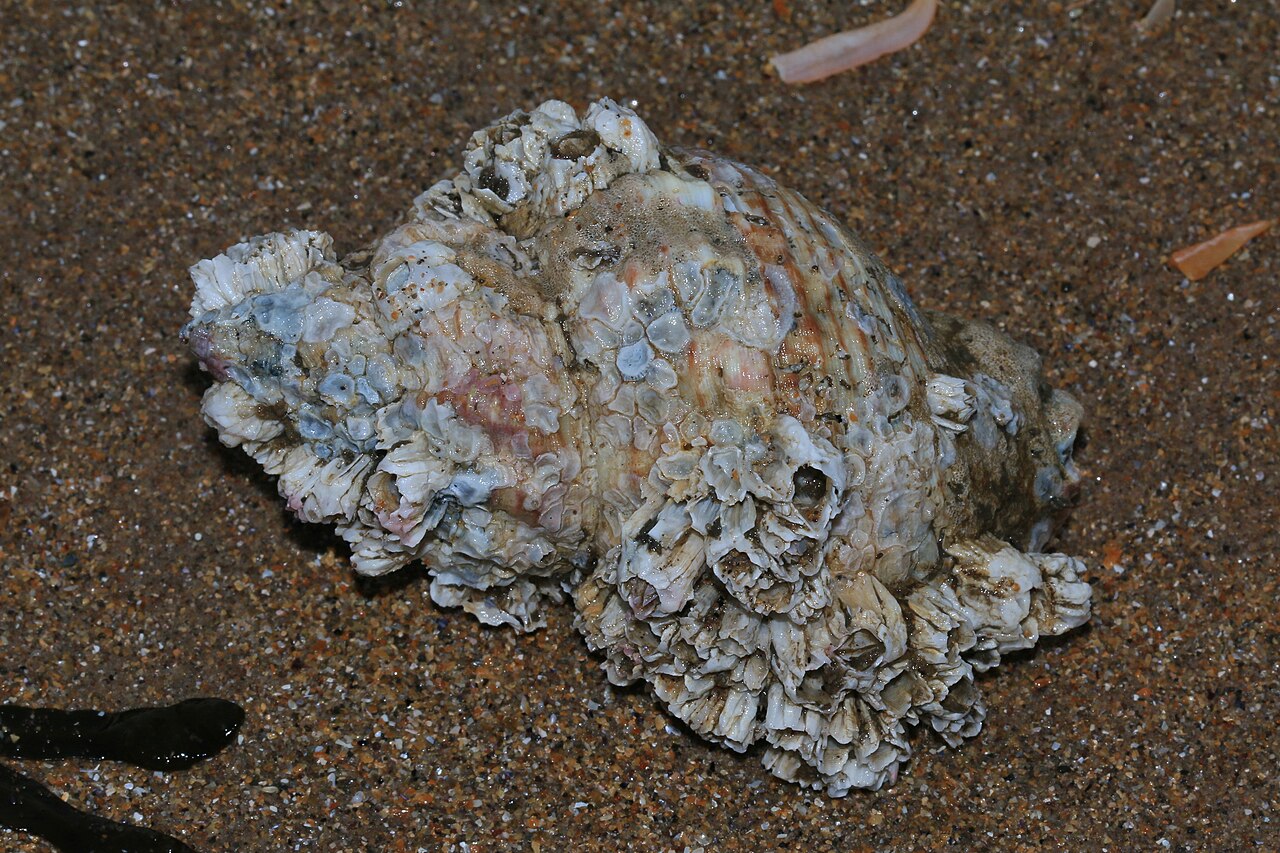
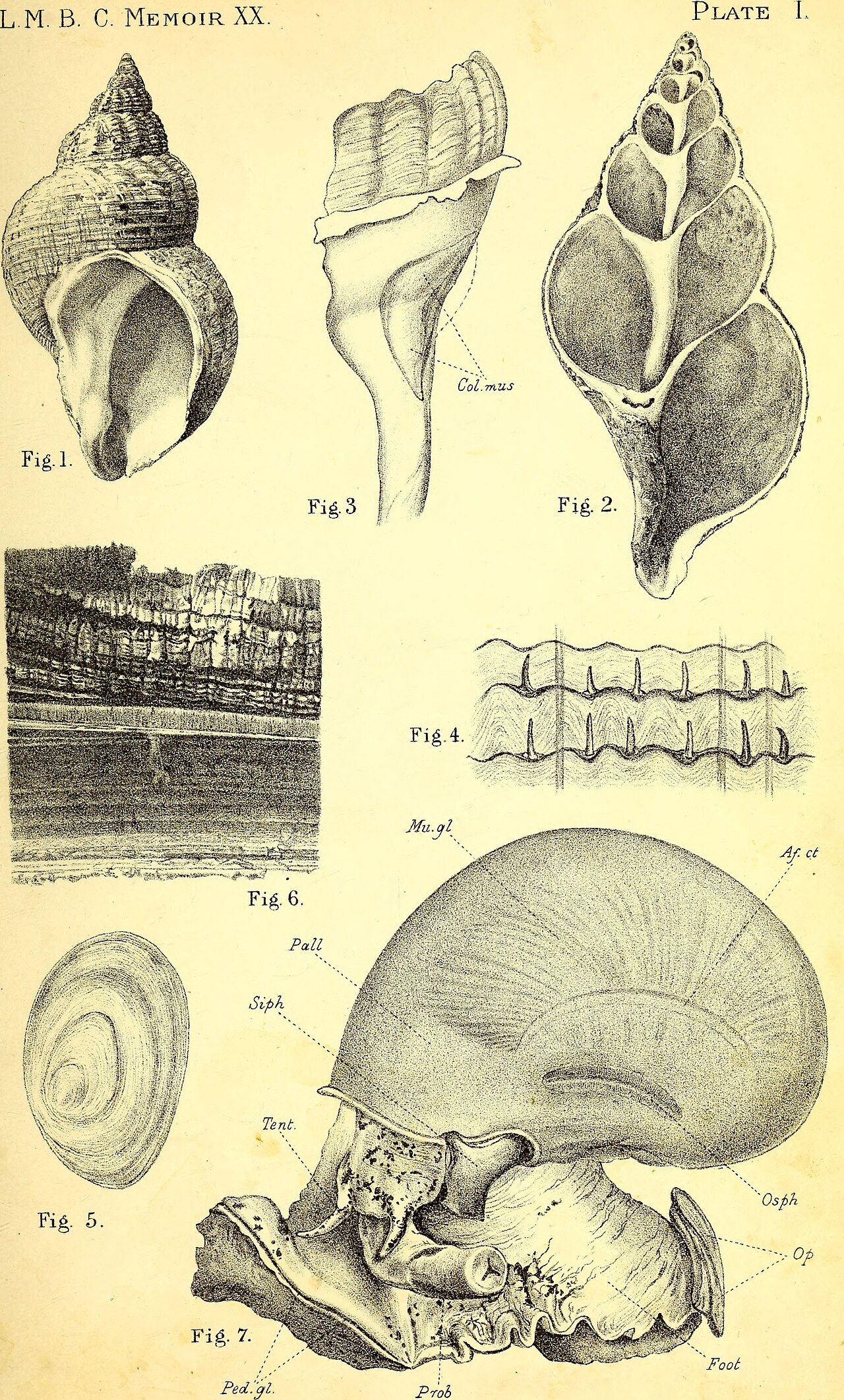
Whelks, also spelled welks or wilks, are any of several carnivorous sea snail species with a swirling, tapered shell. Many are eaten by humans, such as the common whelk of the North Atlantic, and they have historically been used as food by humans and other animals.
- classification
- Sea snails; most true whelks belong to family Buccinidae
- diet
- Carnivorous; feed on annelids, crustaceans, mussels, and other molluscs
- hunting_method
- Drill holes through shells; use chemoreceptors to locate prey
- notable_use
- Dog whelk used in antiquity to make a rich red dye that improves with age
- geographic_variation
- Species, genera, and families referred to as whelk vary greatly by region
Lore & Background
True whelks (family Buccinidae) are carnivorous and feed on annelids, crustaceans, mussels, and other molluscs, drilling holes through shells to access soft tissues. They use chemoreceptors to locate prey. Many have historically been used, or are still used, by humans and other animals as food. The dog whelk, a predatory species, was used in antiquity to make a rich red dye that improves in color as it ages. The common name 'whelk' is also spelled welk or even wilk. The species, genera, and families referred to by this common name vary a great deal from one geographic area to another. In Japan, tsubu or tsubu-gai is a general term for mid- or large-sized true whelks, including Buccinum and Neptunea species, eaten braised, grilled, or used in sushi. In Korea, golbaengi marketed as 'whelk' refers to the moon snail Neverita didyma, often eaten as a snack food in a mixed salad with chili sauce and cold noodles.
Reader's Guide
Whelks hold significance as a food source across many cultures, from the common whelk of the North Atlantic to the moon snail used in Korean cuisine and the true whelks eaten in Japan. Their use extends beyond sustenance: the dog whelk was employed in antiquity to produce a rich red dye that improves with age, indicating early human exploitation of marine resources for coloring. The term 'whelk' itself illustrates the fluidity of common names, as it is applied to different species in different regions—from Buccinidae in Europe and the United States to Ranellidae in Australia and New Zealand, and even to unrelated species like the West Indian top shell. This variability underscores the importance of scientific classification for clarity. In Brazil, empty whelk shells are used in the Afro-Brazilian divination game jogo de búzios, showing cultural and spiritual roles. The nutritional profile of whelks—high in protein and low in fat—highlights their value as a lean seafood. However, some species, such as those in the Neptunea genus, contain a gland with the toxin tetramine, a caution for consumers. Overall, whelks exemplify the intersection of biology, cuisine, history, and culture across the globe.
Did You Know?
- The dog whelk was used in antiquity to make a rich red dye that improves in color as it ages.
- In Korea, the moon snail Neverita didyma is marketed as 'whelk' and used in the dish golbaengi-muchim.
- Some Neptunea species have a gland containing the toxin tetramine (Tetramethylammonium).
- In Brazil, empty whelk shells are used in the Afro-Brazilian divination game jogo de búzios.
Gallery

More in Marine Invertebrates 25-30
Elsewhere in the Marine Invertebrates universe
Spotted an error? Know more?
This is a living reference — every entry is fact-audited, and reader corrections feed straight into our audit queue. Suggest an edit · See this site's audit record